
Radioligand Therapy in 2026: The Trends Defining the Next Era of Targeted Radiopharmaceuticals
The radioligand therapy (RLT) field is evolving at an unprecedented pace. From major licensing deals and breakthrough clinical data to isotope supply agreements and regulatory advancements, the industry is rapidly moving beyond early validation and into a new phase of scale-up and commercialisation.
Recent headlines, including Curium securing FDA approval for its first radioligand therapy and Novartis' $900 million licensing deal with BoomRay, highlight growing confidence in the sector. However, scientific innovation alone is no longer enough. The next challenge facing developers is how to successfully translate promising therapies into treatments that can reliably reach patients.
These themes sit at the heart of discussion across the radiopharmaceutical community and will form a major focus of the 8th Targeted Radiopharmaceuticals Summit Europe this December in London.
Radioligand Therapy Is Moving Beyond PSMA
While PSMA-targeted therapies helped establish the potential of RLT, the industry's attention is increasingly shifting towards the next generation of targets.
Developers are exploring opportunities across CAIX, extracellular matrix targets, glioblastoma (GBM) and novel tumour-specific receptors to expand radioligand therapy into new indications and patient populations.
Companies such as Molecular Partners are advancing innovative approaches like Radio-DARPin® technology, while others are investigating novel targeting platforms designed to improve tumour specificity and therapeutic effectiveness.
At TRP Europe, experts will explore how emerging targets are being selected, validated and progressed through development as companies look beyond the first wave of radiopharmaceutical success stories.
The Alpha Therapy Opportunity
Alpha-emitting radionuclides continue to generate significant excitement across the industry.
Companies including ARTBIO, Orano Med and Bicycle Therapeutics are investing heavily in alpha radioligand therapy programmes, attracted by the potential for greater tumour cell killing while limiting damage to surrounding healthy tissue.
However, enthusiasm for alpha therapies has also brought renewed focus on an increasingly important question: how will developers secure sufficient isotope supply to support growing clinical and commercial demand?
This challenge will be explored in dedicated discussions at the summit, including Bicycle Therapeutics' case study on securing long-term Pb-212 supply to support the future scaling of alpha therapies.
Isotope Supply Is Becoming a Competitive Advantage
As pipelines mature, isotope access is becoming a strategic differentiator.
Developers are no longer viewing isotope procurement simply as a manufacturing activity. Instead, it is becoming a critical component of long-term business planning, partnership strategy, and commercial readiness.
Questions around Actinium-225, Pb-212, Lutetium-177 and future isotope availability continue to dominate industry conversations.
This year's agenda will bring together leaders from across the ecosystem for "The Great Isotope Debate", examining which radionuclides are likely to define the next five years of radioligand therapy development.
Regulatory Expectations Continue to Evolve
As radioligand therapy matures, regulatory agencies are gaining greater experience evaluating these novel therapies.
Developers must now navigate increasingly complex considerations, including long-term safety monitoring, dosimetry requirements, manufacturing controls and evolving international standards.
Understanding how regulators view these challenges has never been more important.
This year, representatives from MHRA, Swissmedic, former FDA leaders and industry experts will share practical insights on navigating the changing regulatory landscape and de-risking development programmes.
The Future of Radioligand Therapy
There has never been greater momentum behind radioligand therapy.
Scientific advances are creating new opportunities across discovery, clinical development, manufacturing and patient selection. At the same time, growing investment and commercial activity are accelerating the industry's transition towards mainstream precision oncology.
Success will increasingly depend on how effectively organisations can connect innovation with execution, balancing scientific ambition with practical considerations such as isotope supply, manufacturing readiness, regulatory strategy and market access.
These are the conversations that will define the next generation of targeted radiopharmaceuticals and why Europe's leading developers, manufacturers, regulators and investors will gather at the 8th Targeted Radiopharmaceuticals Summit Europe this December.
Whether your focus is discovery, clinical development, CMC, supply chain strategy or commercialisation, the developments shaping today's headlines are the same challenges being addressed by the industry leaders driving the future of RLT.
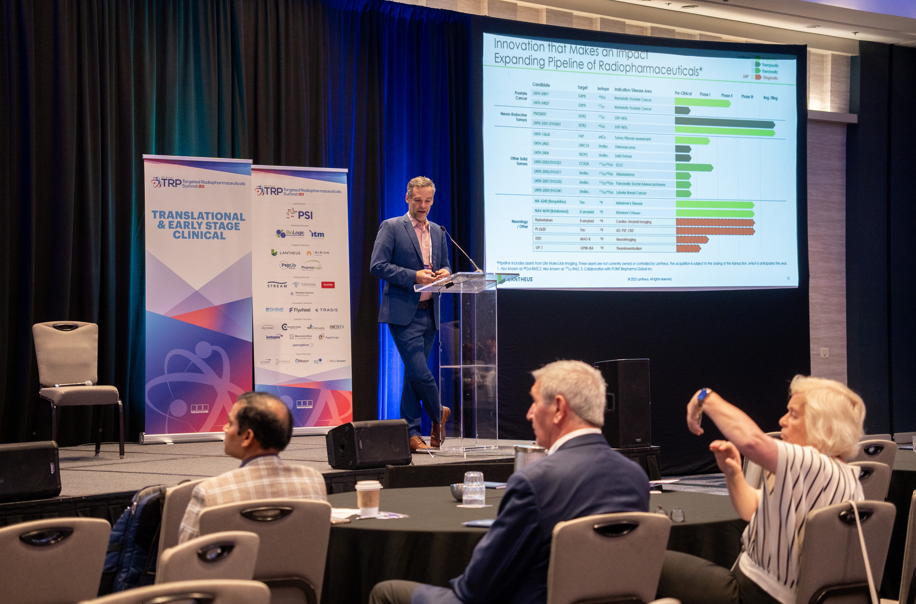
Explore the Agenda
Discover the scientific, clinical and commercial strategies that will become your blueprint for accelerating targeted radiopharmaceuticals from discovery to patients.
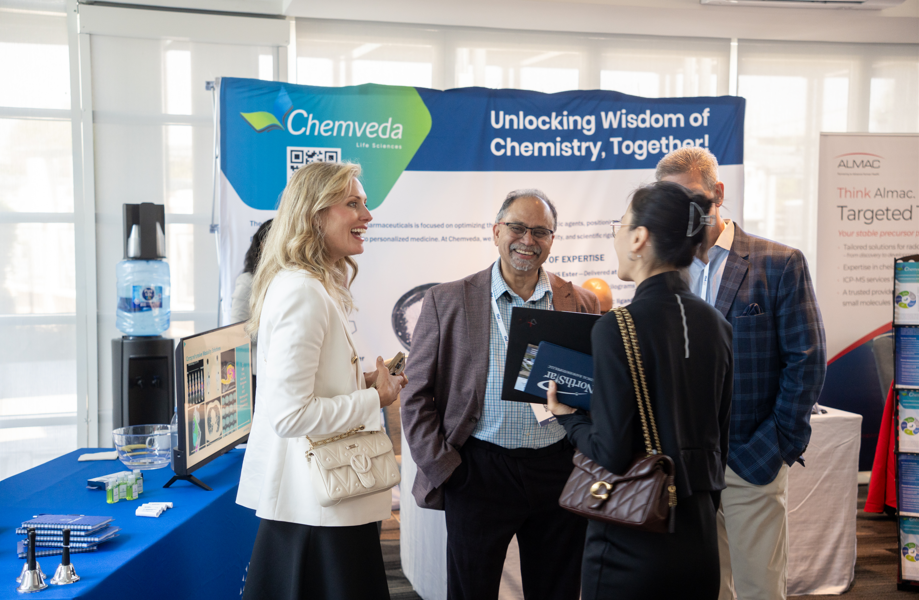
Partner With Us
Showcase your technologies and services to 200+ senior decision-makers actively seeking CROs, CDMOs, isotope suppliers, radiopharmacies, dosimetry providers and specialist partners to advance the next generation of radiopharmaceuticals.

Join Europe's TRP Leaders:
Be part of Europe's most comprehensive targeted radiopharmaceuticals forum, uniting pharma, biotech, regulators, clinical centres, investors and solution providers to shape the future of radioligand therapy.